Off Road - Cabin Loop Trail
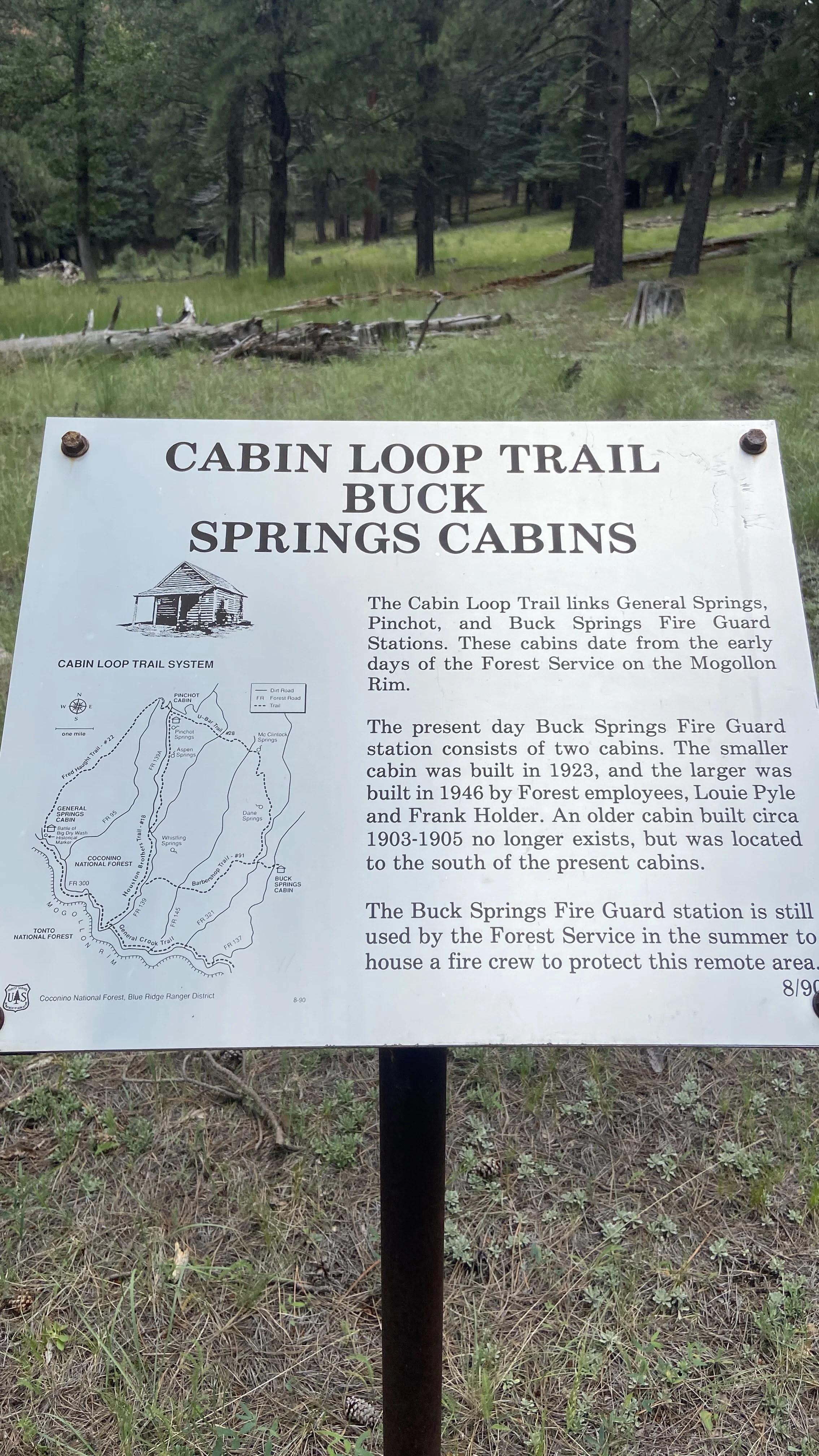
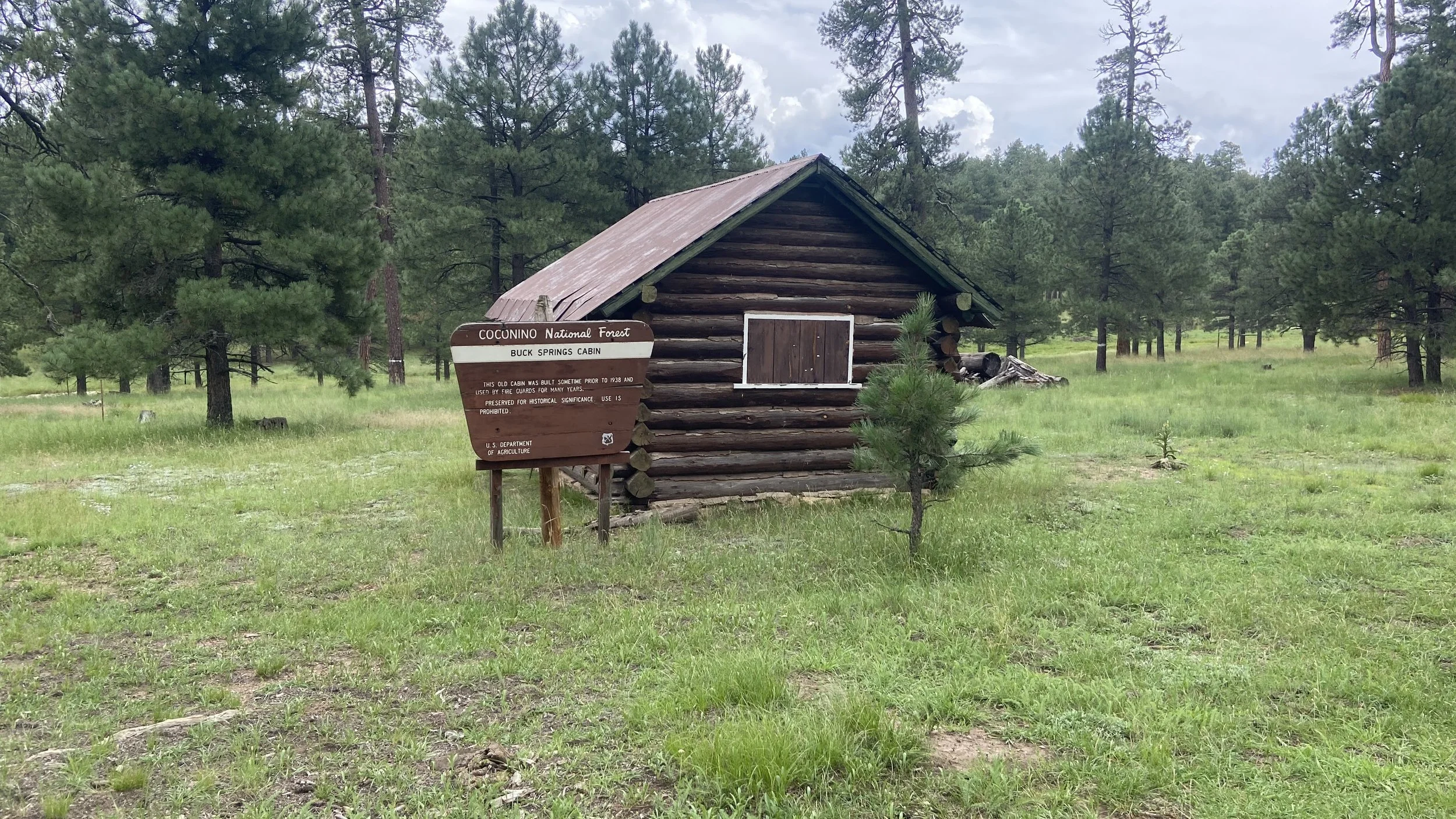
Cabin Loop Trail — 29 Miles Counterclockwise around Pine, AZ
We planned this trip to the Cabin Loop Trail wanting a long, deliberate time on foot in a landscape we don’t get to often. We drove a 4-wheel‑drive vehicle to the trailhead; those last miles of forest road made the capability worthwhile. We chose to hike the full loop counterclockwise. In total we covered 29 miles over varied terrain: high desert scrub, stands of pines and aspens, rocky ridgelines, and quiet stream crossings. Below are notes from the trip and observations that might help you plan.
Trip summary
Distance: 29 miles (full Cabin Loop)
Route: Counterclockwise around the loop
Access: 4-wheel drive recommended for final approach roads
Time: Multi‑day backpacking; plan for 2–3 days depending on pace and side trips
Group: Small party, carrying full packs and overnight gear
Approach and trailhead
The road in is rough in places and definitely easier with high clearance and 4WD. The last stretch narrows and can be rocky; allow extra time to arrive during daylight. Parking at the trailhead is modest; pack to leave a vehicle in a single spot and minimize gear left visible.
Why we chose counterclockwise
Hiking the loop counterclockwise changed the rhythm of the miles. It made the steeper climbs occur earlier in the day when we had energy, and the downhill sections late afternoon when we were tired. If you prefer gentler early miles, go clockwise; if you like tackling the climbs fresh, counterclockwise worked well for us.
Terrain and trail conditions
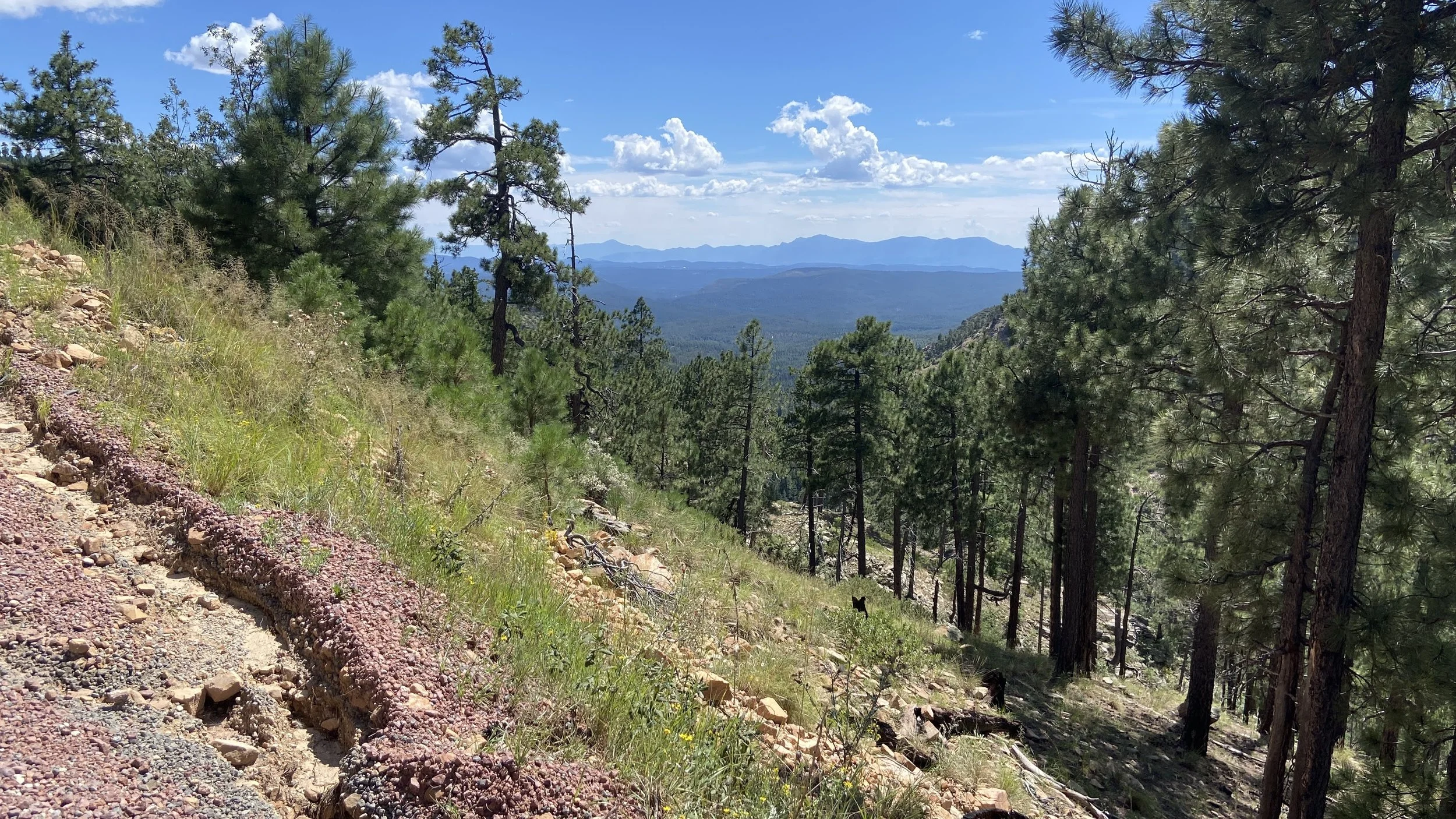
Early miles move through open high desert and scrub, with good views and exposure to sun and wind.
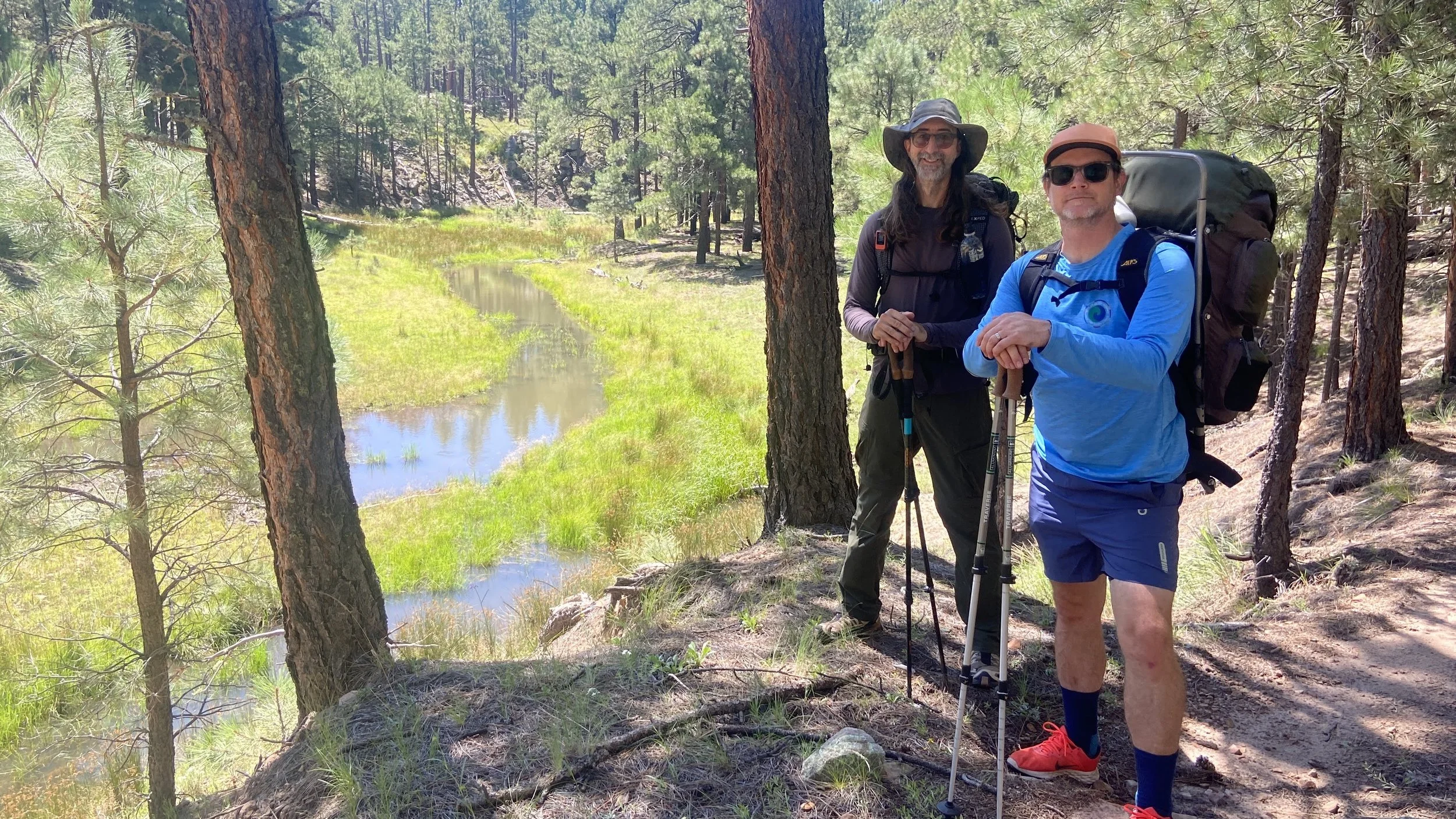
Mid sections drop into cooler, shaded conifer stands—pines and pockets of aspen—where the footing can be softer with pine duff.
Some ridgelines are rocky with loose scree in places; trekking poles helped on both ascent and descent.
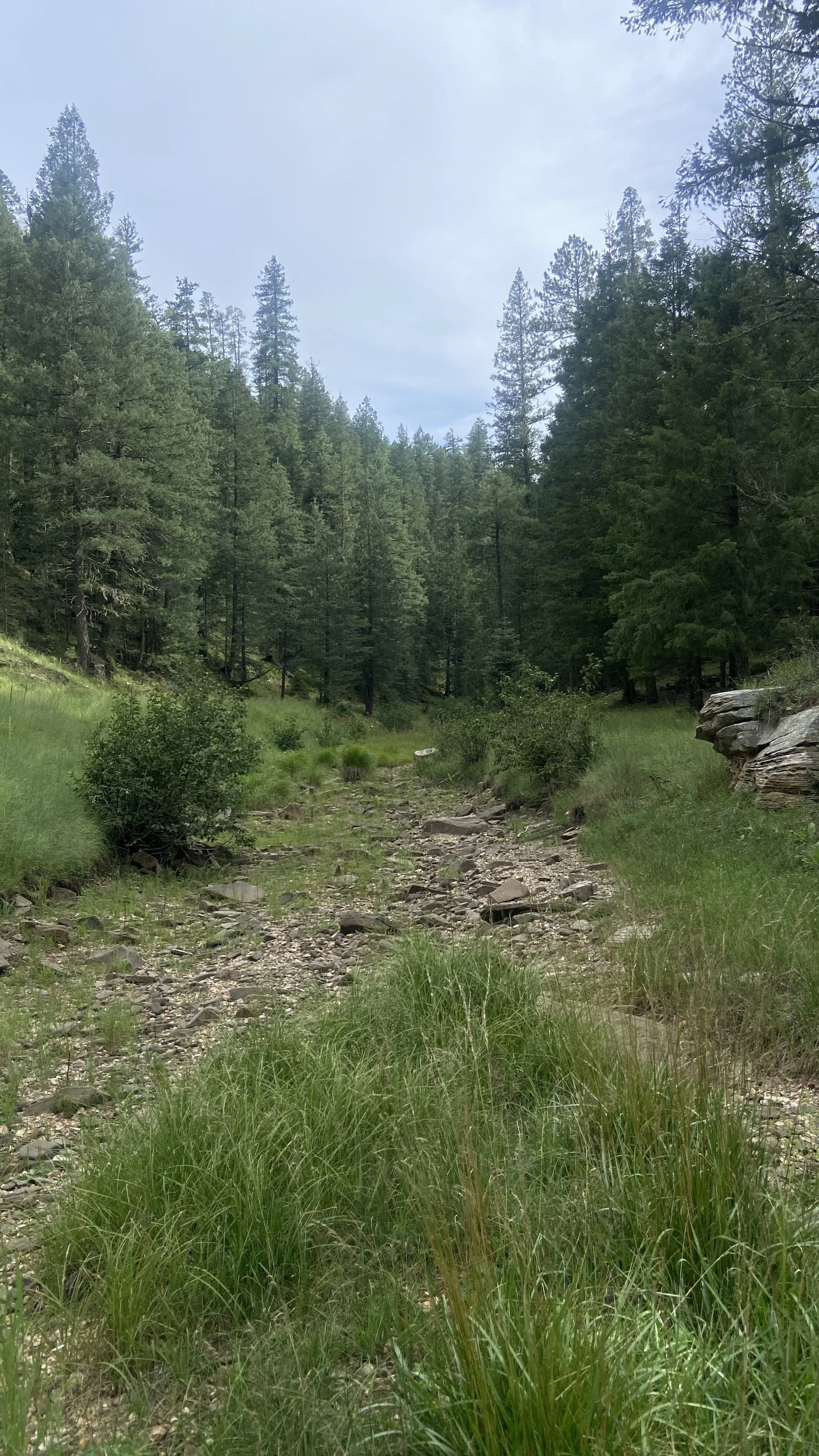
Water sources are seasonal. We found several reliable crossings but filtered all water. Always treat water you find.
Trail tread is generally clear but expect occasional blowdowns or washed sections after storms.
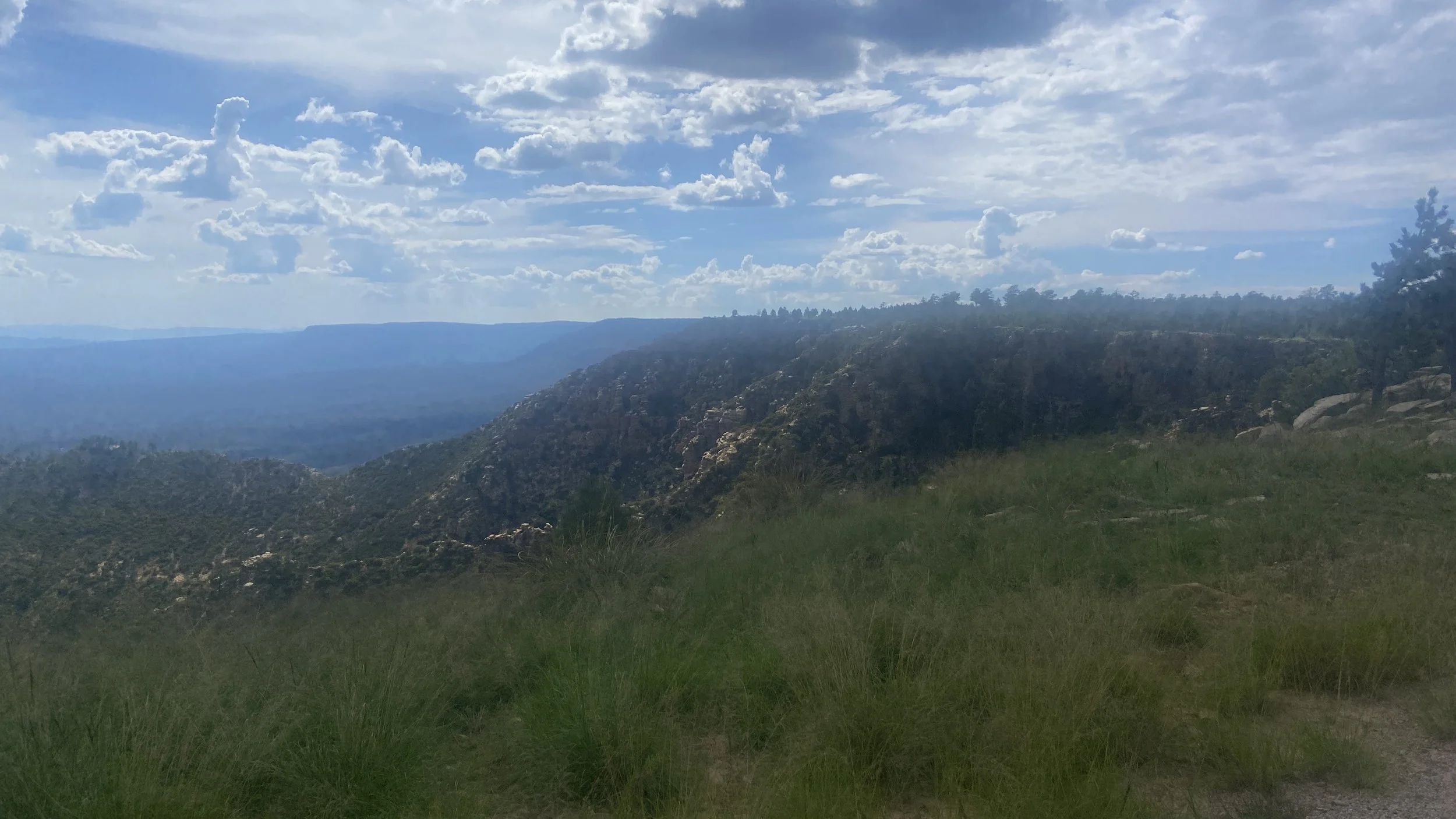
Distant views were sparse, but hiking along Rim Road provided epic views despite being on a dirt road. We also had some other visitors present in dune buggies (very loud on weekends).
Campsites and logistics
Campsites: Several established sites and use areas exist along the loop, often near water or in sheltered tree stands. Choose a site that protects you from prevailing winds and respects vegetation. I hammock camped, which was easy to do considering there are so many trees.
Fire: Check current restrictions. Even short seasons of dryness will close campfires. We went in August and there were no restrictions but we were too tired to set up a fire.
Leave no trace: Pack out all waste, minimize concentrated use of fragile meadows, and avoid widening campsites.
Weather and seasonal notes
Spring and early summer can still hold snow at higher elevation patches, and nights are cold—bring warm layers.
Monsoon season (mid‑summer) brings afternoon storms; plan travel and water crossing schedules around lightning risk and potential flash flooding.
Fall colors: Aspens can be spectacular; plan for shorter daylight hours and colder nights.
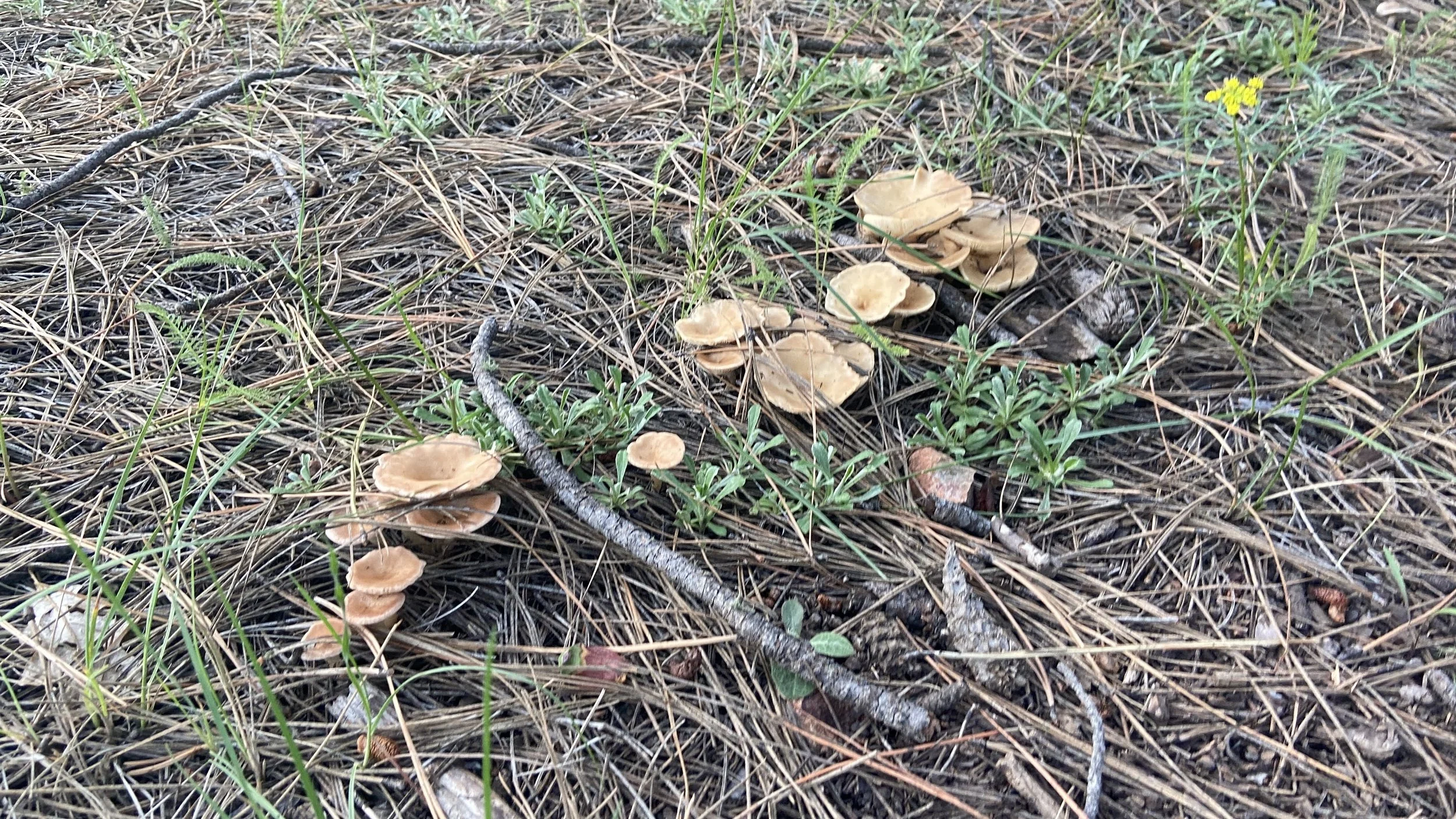
Wildlife and stewardship Deer, elk, small mammals, and birds are common. Keep a respectful distance from wildlife, store food securely, and follow local guidelines for bear/rodent‑proofing when applicable. This area is quiet and restorative; treat it as a place of care.
Gear highlights
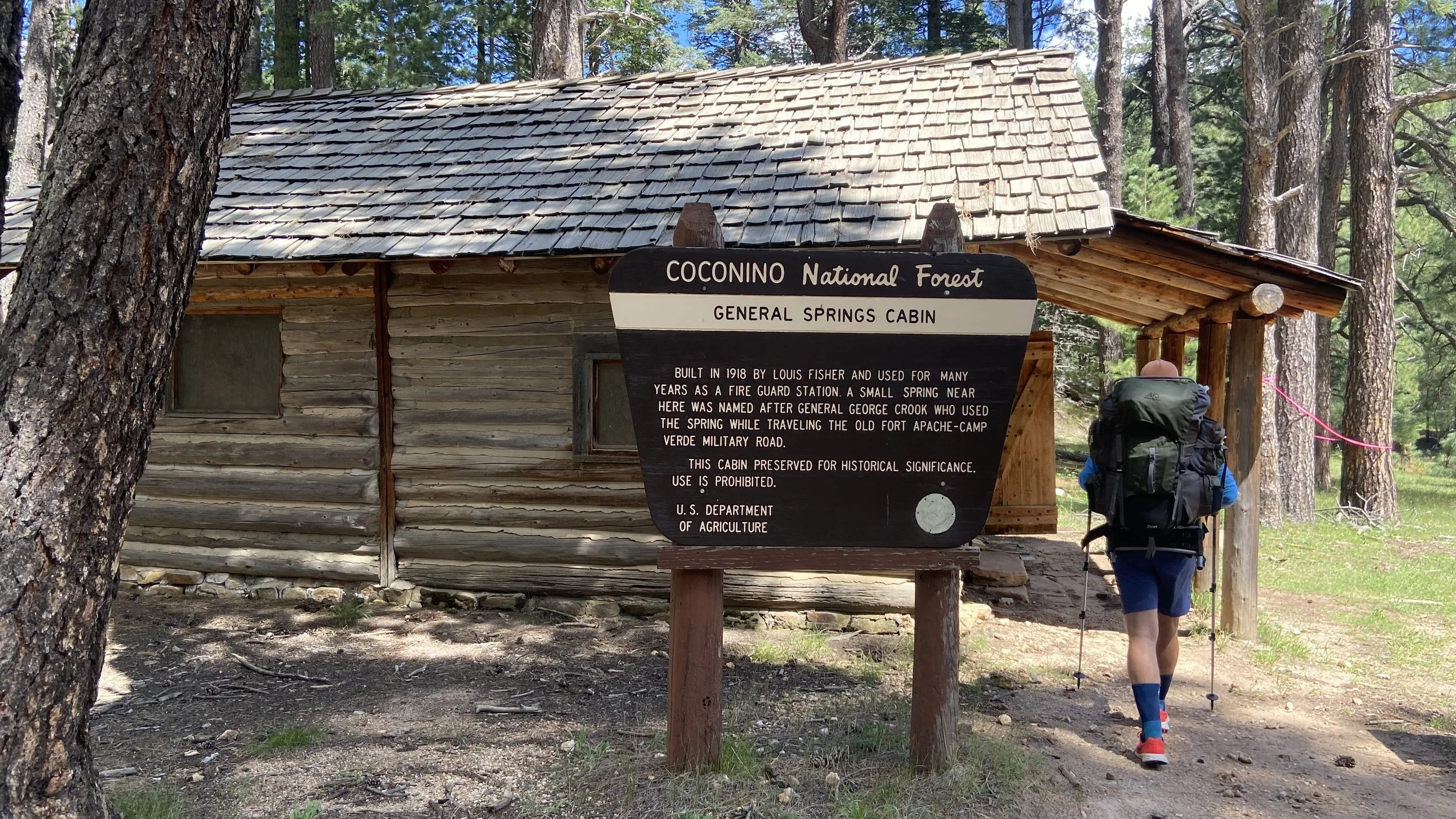
Sturdy boots with ankle support and grippy soles, or if you’re like me, trail runners with grippy soles. I’m wearing Altra Lone Peak 8 with a wide toe box.
Trekking poles for rocky descents
Layered clothing (cold nights, hot days)
Reliable water filter and backups
First aid kit and navigation (map/compass or GPS)
Headlamp, stove, and lightweight shelter
Photo placement suggestions
Approach/4WD road: A shot of the road ahead or the vehicle negotiating rough track — good for the opening section under “Approach and trailhead.”
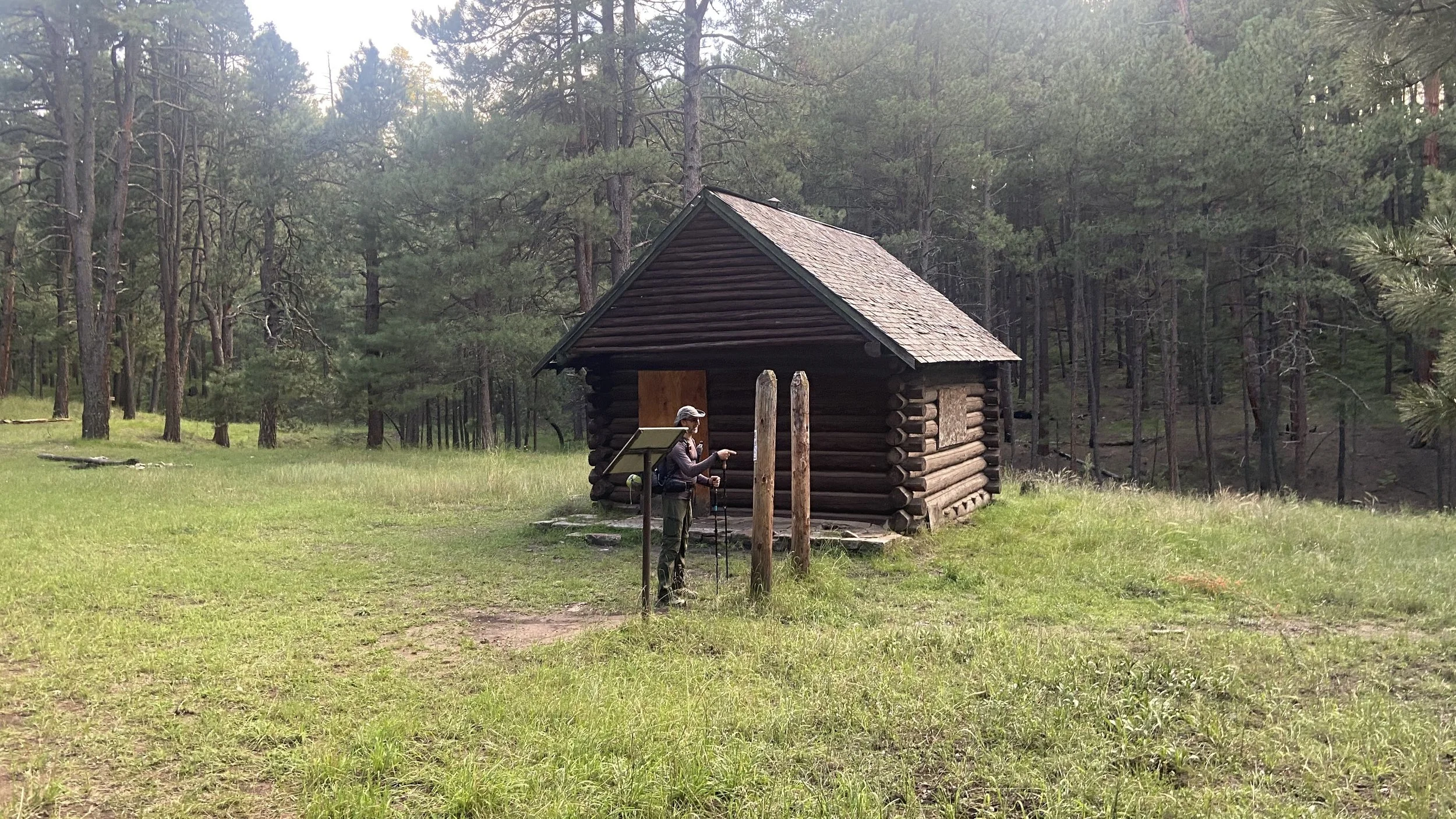
Trailhead sign or map: Anchor photo near practical logistics and route choices.
Early open high desert vistas: Place with the “Terrain and trail conditions” paragraph describing exposure and views.
Conifer/aspen stands: Pair with notes about cooler mid‑sections and fall colors.
Ridgeline or rocky sections: Use alongside the “Terrain and trail conditions” and “Trekking poles” comments.
Campsite: Place under “Campsites and logistics” to show shelter choices and leave‑no‑trace practice.
Stream crossing or water source: Accompany water and filtering advice.
Wildlife or tracks (if you captured any): Share with the “Wildlife and stewardship” notes.
Safety reminders
Tell someone your planned route and expected return.
Check current trail and weather conditions before leaving.
Carry extra food, water treatment, and emergency shelter for unexpected delays.
Final reflections
As the trail narrows and the sun leans west, the day's lessons often come into clearer focus. Time in the wilderness strips away routine distractions and leaves essentials: breath, body, neighbor, and the presence that holds them all. In that simplicity we discover how small decisions—choosing patience at a campsite, listening before speaking around a fire, pausing to notice a hawk—reshape the inner landscape. These are not grand revelations but steady, faithful adjustments that gather into change.
Wilderness retreats are not escapes from life’s demands; they are opportunities to return with renewed attention. The solitude and the shared silence teach us how to keep company with our own longings and fears, to recognize which of them are calling for action and which are asking only to be seen. The rhythms of trail and tent, prayer and conversation, remind us that spiritual growth is rarely dramatic. It is more often the quiet tending of what matters.
For men gathered in these places, there is particular value in honest, unguarded presence. To be witnessed without performance—by the land, by a companion, by a guide—allows hard-earned armor to loosen. That vulnerability becomes a doorway to trust and responsibility. From trust springs the courage to change patterns that have become narrow or harmful, to repair relationships, and to step more fully into the responsibilities we carry.
As you leave the rim of the canyon or fold your sleeping bag one last time, bring with you not a checklist of accomplishments but a handful of practices: a pause before speaking, a breath before reacting, a moment to notice ordinary beauty. These small disciplines keep the retreat alive in daily life. They are anchors—simple, repeatable acts that return attention to what is true.
Finally, remember that the journey continues. The wilderness is a teacher, not a permanent home. It equips and instructs, then sends you back into the ordinary with new questions and new compassion. Live into them slowly. Share what you have learned with honesty. And when you need to be reminded of these truths, return—whether to a trail, to a quiet room, or to another gathered moment—so the steady work of formation can continue.